ORIGINS OF CHRISTMAS – BRIEF INFO
The origins of Christmas from both the pagan and Roman cultures.
The Romans actually celebrated two holidays in the month of December. The first was Saturnalia, which was a two-week festival honoring their god of agriculture Saturn.
On December 25th, they celebrated the birth of Mithra, their sun god. Both celebrations were raucous, drunken parties.
Also in December, the darkest day of the year falls, on this day, the pagan cultures lit bonfires and candles to keep the darkness at bay.
The Romans also incorporated this tradition into their own celebrations.
As Christianity spread across Europe, the Christian clergy were not able to curb the pagan customs and celebrations. Since no one knew Jesus’s date of birth, they adapted the pagan ritual into a celebration of His birthday.
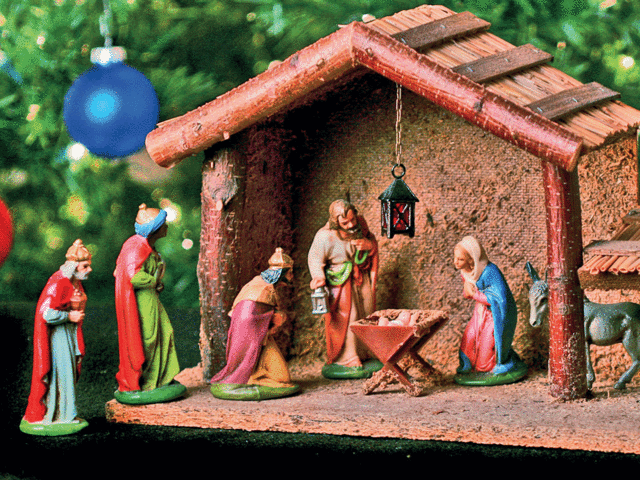
Why is Christmas Day on the 25th December?
Christmas is celebrated to remember the birth of Jesus Christ, who Christians believe is the Son of God.
The name ‘Christmas’ comes from the Mass of Christ (or Jesus). A Mass service (which is sometimes called Communion or Eucharist) is where Christians remember that Jesus died for us and then came back to life. The ‘Christ-Mass’ service was the only one that was allowed to take place after sunset (and before sunrise the next day), so people had it at Midnight! So we get the name Christ-Mass, shortened to Christmas.
Christmas is now celebrated by people around the world, whether they are Christians or not. It’s a time when family and friends come together and remember the good things they have. People, and especially children, also like Christmas as it’s a time when you give and receive presents!
Is Christmas on 25 December for everyone?
Western Christians celebrate Christmas on 25 December but Orthodox Christians celebrate in January.
The difference in dates is largely down to different parts of world following different calendars. Orthodox Christians tend to follow the Julian calendar, for which Christmas falls on 7 January. Meanwhile the other major denominations go by the Gregorian calendar.
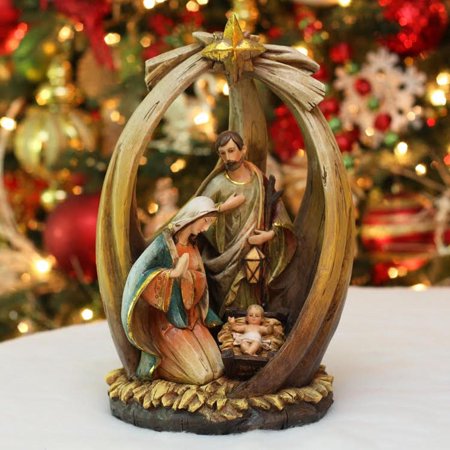
Banning Christmas
There have been attempts to ban Christmas over the years.
During the 16th century, Protestants disagreed with Christmas celebrations and it was banned by the reformist Government in Scotland. Cheer was restored in 1617 but banned again a few years later.
Christmas was temporarily banned in England, too, in the 17th century by puritans who did not want to celebrate something associated with Pagans. But Christmas was reinstated when King Charles II took to the throne.
Follow avantmalawi.com