By Vinjeru Ngwira
For learners at Kapyolambavi Primary School in Rumphi District, attending lessons under trees and in nearby churches has been part of their educational experience. However, the situation is expected to change following the handover of a K157 million school infrastructure project on Friday.
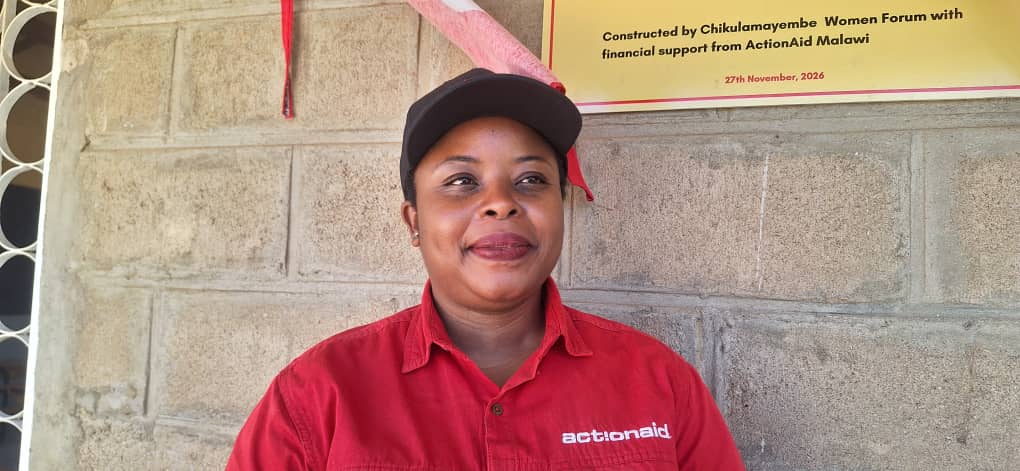
The development, funded by ActionAid Malawi through the Chikulamayembe Women Forum, is expected to ease classroom congestion and provide a more conducive learning environment for learners in Jalira.
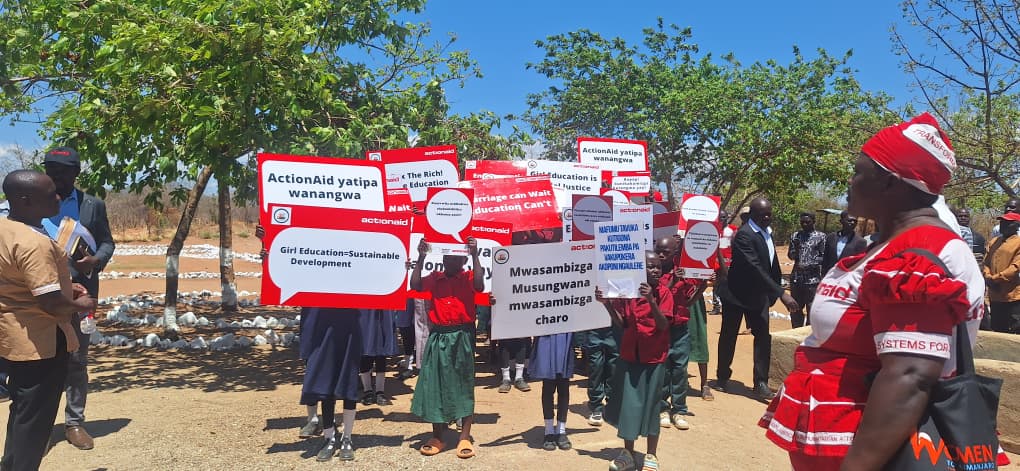
Kapyolambavi Primary School Headteacher Thokozile Msukwa said the school had been struggling with inadequate infrastructure, with only five classrooms available to accommodate its learners.
Msukwa said the shortage of classroom space had forced some learners to attend lessons in churches and under trees, making it difficult for them to concentrate on their studies.
She described the new school block as a major relief, but said the school continued to face water shortages, with learners required to travel long distances to access the resource.
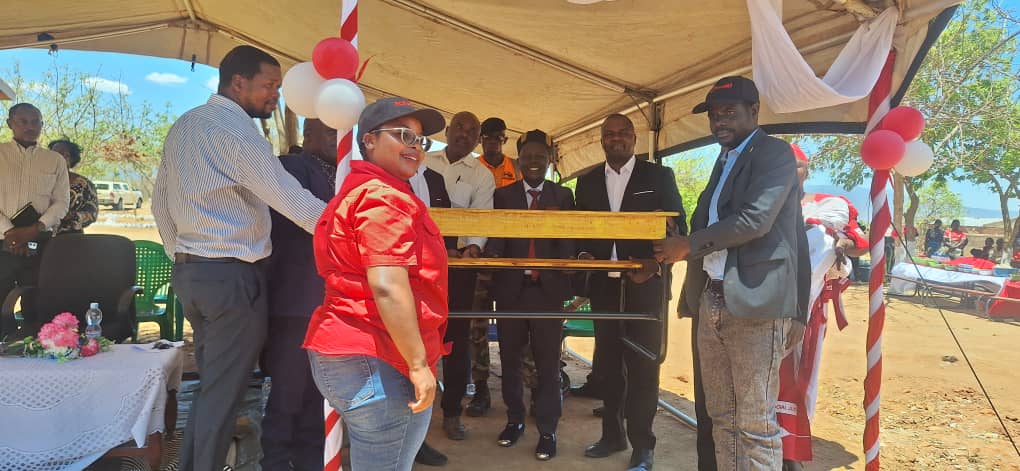
The project comprises two classrooms and toilet facilities constructed at a cost of K140 million, alongside 90 desks procured at K17 million.
ActionAid Malawi Executive Director Yandula Chipeta said the intervention followed concerns raised by the Chikulamayembe Women Forum, which has been working with the organisation for 17 years to promote women’s rights, address poverty and support education.
Chipeta said the project was part of efforts to improve access to quality education, particularly for young learners, while complementing government initiatives.
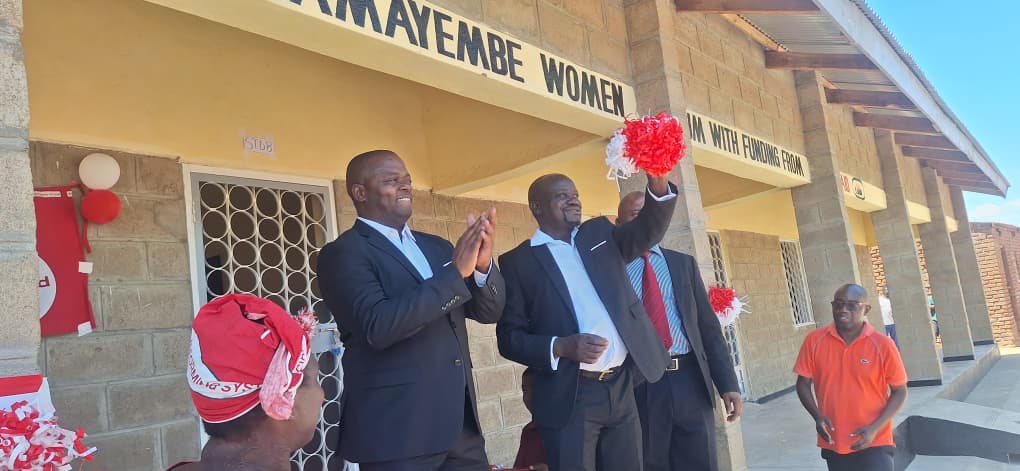
She urged the community to take responsibility for maintaining the infrastructure to ensure that it continues serving learners for years to come.
Chikulamayembe Women Forum Director Tiwonge Gondwe said the project was also intended to draw attention to the need for further government investment in education, particularly teaching and learning materials.
Gondwe said some learners from the area previously travelled approximately 4.1 kilometres to Chirambo School because of inadequate facilities at Kapyolambavi.
Group Village Headman Jalira Botha said the improved infrastructure would encourage more children, particularly those travelling long distances, to attend school.
Botha expressed hope that the water challenge would also be addressed, indicating that the Northern Region Water Board was expected to provide assistance.
One of the learners, Martha Chiona, said the new classrooms would make learning easier, as some pupils previously had to study under trees because of limited classroom space.
Meanwhile, Member of Parliament for the area, Hon. Mathews Mtumbuka, said the education sector continued to face several challenges, but efforts were being made to address them through a five-year master plan aimed at identifying and prioritising development needs.
Mtumbuka commended ActionAid Malawi and the Chikulamayembe Women Forum for supporting government efforts to improve education infrastructure.
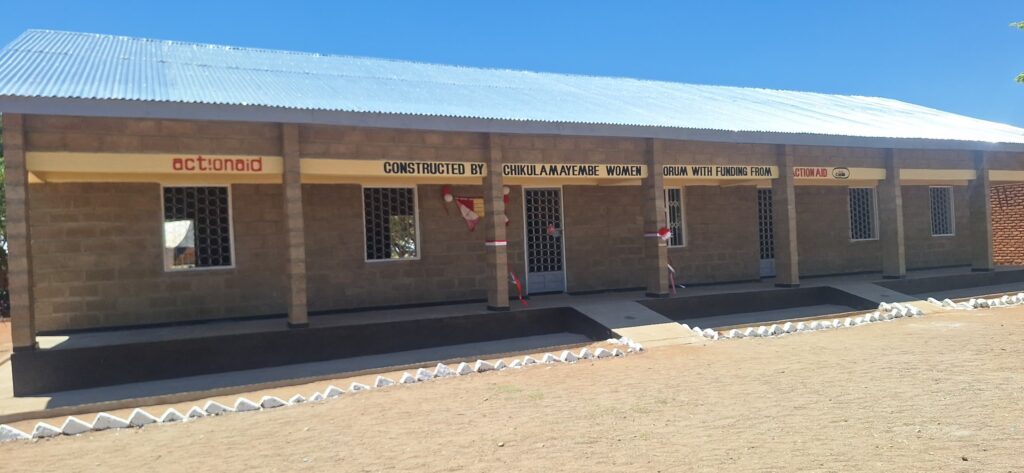
The handover marks a significant step towards addressing the learning challenges at Kapyolambavi, although the school’s continuing water shortage remains an obstacle to providing a fully conducive learning environment.